Data Sovereignty: Definition, Risks and How to Achieve It
Data sovereignty means keeping control of where your data lives, who can access it and under which law. Definition, business risks and practical levers.
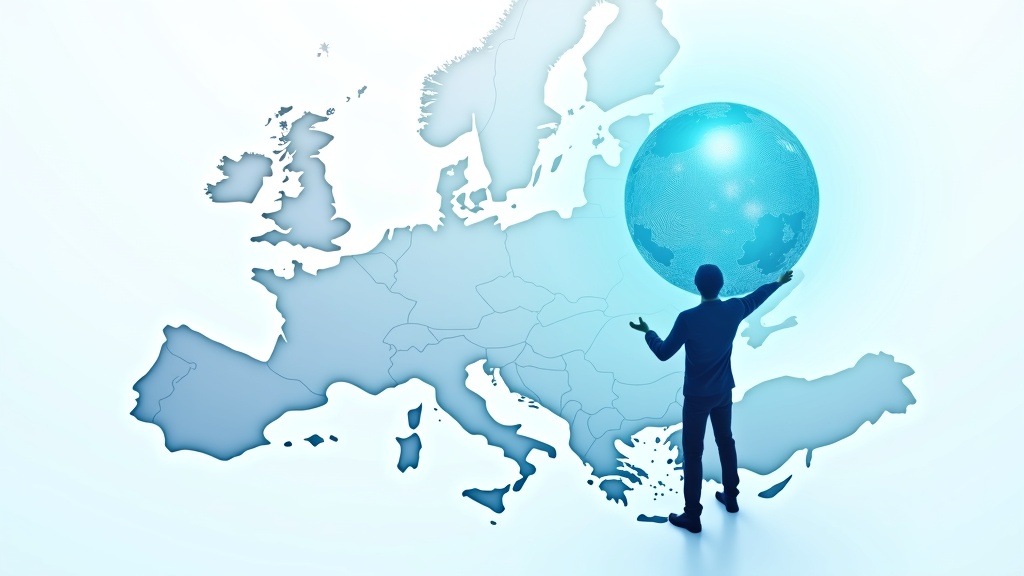
Data sovereignty is the ability of an organisation to keep full control over its data, infrastructure and digital tools — without depending on providers or laws that fall outside its own jurisdiction. As the majority of cloud services used across Europe are operated by non-European players, this has shifted from a policy debate to an operational decision.
What is data sovereignty?
It is the effective control of three inseparable assets:
- Data — knowing where it is, who can access it, and which law governs it.
- Infrastructure — the hosting, networks and compute your activity relies on.
- Software and skills — never depending on a single provider you cannot replace.
Losing that control exposes you to three concrete risks: unauthorised access by a foreign authority (see the US CLOUD Act), economic lock-in to a dominant vendor, and regulatory non-compliance.
Why data sovereignty matters for business
For a company, the stakes are concrete: business continuity, protection of the information assets, and compliance with GDPR, NIS2 or sector rules. A poorly controlled dependency is a legal risk, a confidentiality risk and a continuity risk rolled into one.
Sovereignty no longer means sacrificing performance: certified European infrastructure now offers equivalent service levels, with the cost gap down to a few points on optimised workloads.
The practical levers of data sovereignty
- Map your dependencies — identify critical services run by non-sovereign providers, including everyday tools.
- Classify your data — separate the sensitive and regulated from the rest, to target effort.
- Migrate to a sovereign cloud for sensitive and regulated data.
- Control encryption and keys — so even the host cannot read your data.
- Get compliant — GDPR, NIS2, SecNumCloud as relevant.
The first and most cost-effective step is always the assessment: you only secure well what you have first mapped.
Take the 2-minute assessment — gauge your organisation's level of sovereignty and your action priorities. Request a consultation
Frequently asked questions
What is data sovereignty?
The ability to retain control over your data, infrastructure and digital tools, free from dependence on non-European actors or laws.
Why is data sovereignty important?
Because it underpins protection of sensitive data, regulatory compliance (GDPR, NIS2) and business continuity.